13 August: The Day of the Voter Zambia Prepares for Election Day
As Zambia heads to the polls, the government and opposition parties are shifting their focus from campaign rallies to voter mobilisation, election preparedness and the final battle for support.
On 13 August 2026, Zambia's months-long political campaign will finally give way to the voters.President Hakainde Hichilema and the United Party for National Development (UPND) are seeking another term, while opposition parties are working to convince voters that the country needs a change in direction.
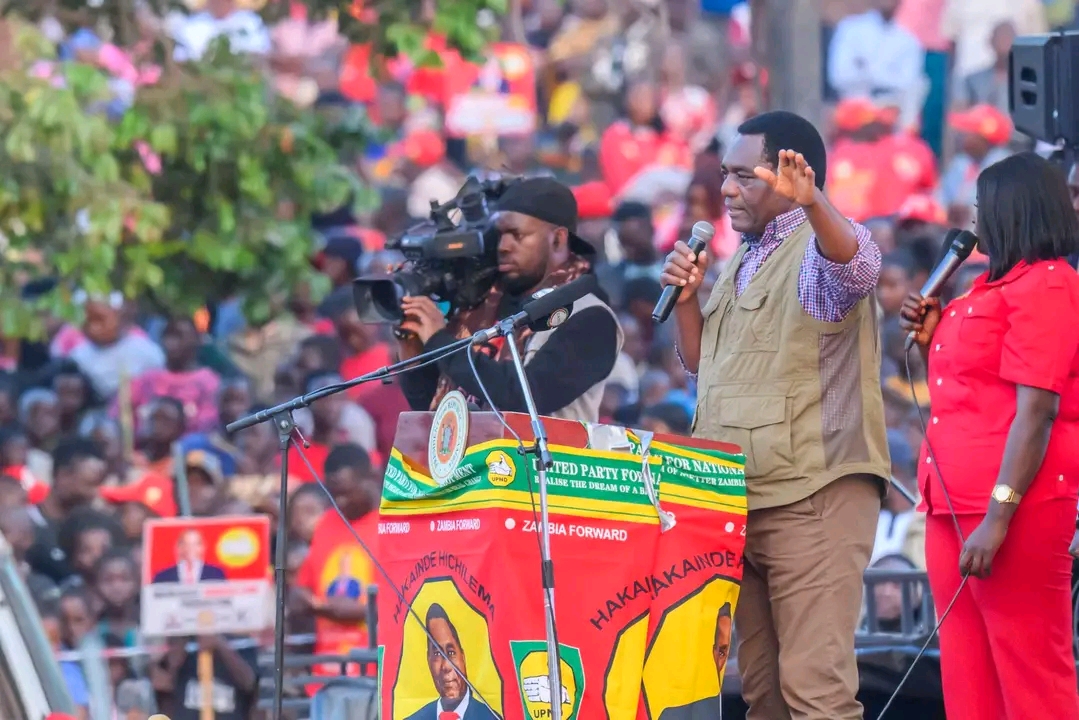
With election day approaching, the focus is increasingly moving away from the size of political rallies and towards a much more important question: who can turn their supporters into actual voters?
UPND Pushes Its Record
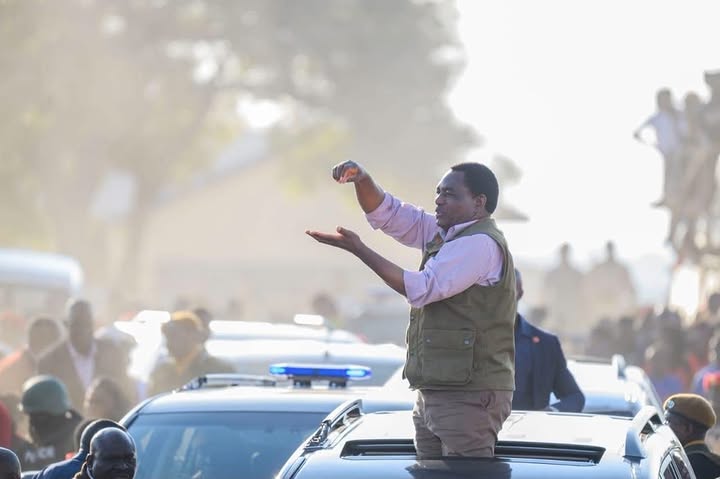
The ruling UPND has based much of its campaign on what it says are achievements since taking office in 2021.President Hichilema has highlighted initiatives including free education, school feeding programmes, infrastructure development and economic reforms, arguing that Zambia is moving in the right direction and needs another term to continue that progress.
The party's campaign message, "Zambia Forward, Together," reflects its emphasis on continuity.However, the government faces a challenge in convincing voters that national economic improvements are being felt at household level. The cost of living, employment, electricity and household income remain major concerns for many Zambians.
Opposition Campaigns on Change
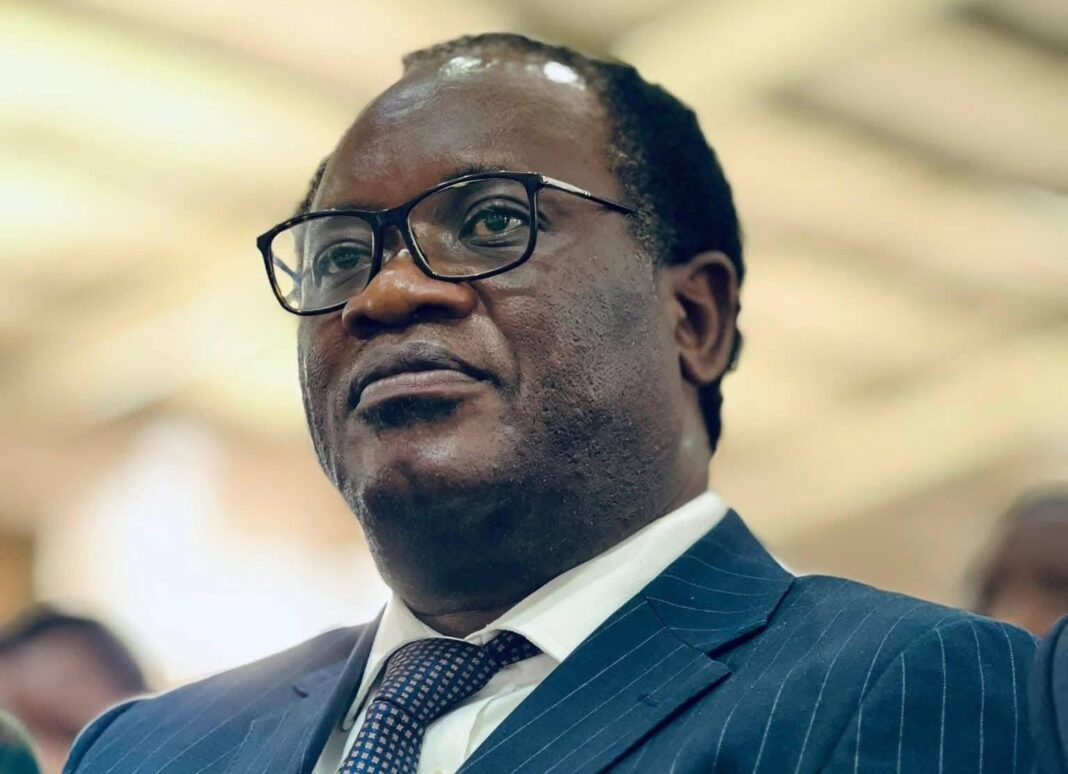
Opposition parties have sought to make the election a referendum on the everyday experiences of citizens.Issues including the cost of living, unemployment, electricity supply and the distribution of benefits from Zambia's mining sector have featured heavily in opposition messaging.Among the prominent opposition candidates is Brian Mundubile, presidential candidate for the National Reconciliation Party for Unity and Prosperity (NRPUP).
Mundubile's campaign has placed considerable emphasis on large rallies, particularly in areas such as the Copperbelt. These events are designed not only to mobilise supporters but also to demonstrate political momentum.The UPND, however, has argued that large crowds do not necessarily translate into votes.That disagreement highlights an important feature of this election: political popularity will ultimately be measured at polling stations, not rally grounds.
Provinces Remain Critical
The battle for support extends across all ten provinces.Lusaka remains a major battleground because of its large and politically diverse urban population, while the Copperbelt is particularly important because of its mining economy and concerns surrounding jobs and economic opportunity.Southern Province remains an important UPND stronghold, while the governing party has also worked to expand its support in areas such as Eastern, Western and North-Western provincesOpposition parties are similarly attempting to strengthen their presence outside their traditional support bases..
Social Media Becomes Another Battlefield
The 2026 campaign is also being fought heavily online.Facebook, TikTok, WhatsApp, YouTube and X have become important tools for political communication, allowing parties to distribute speeches, rally footage, interviews and campaign messages directly to voters.However, the rapid spread of political information online has also increased concerns about misinformation and misleading content.Voters are increasingly having to distinguish between genuine political information and campaign material designed to influence their opinions.
The Final Days
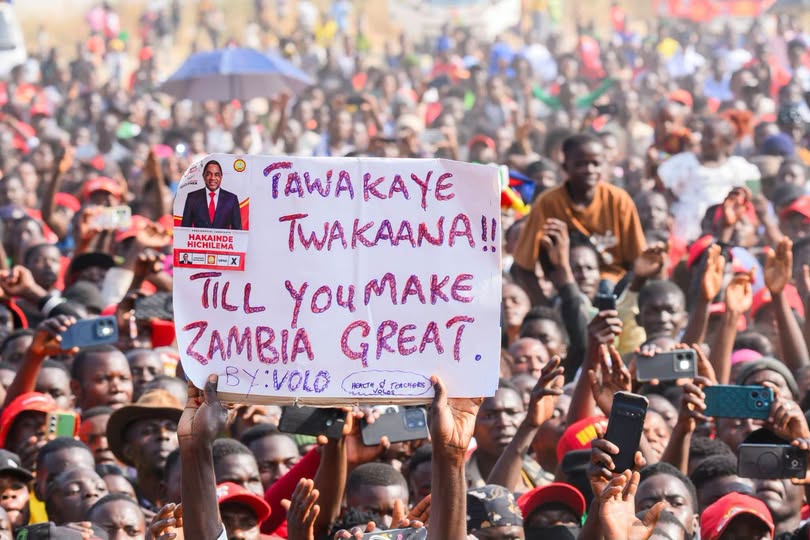
As election day approaches, political parties are increasingly concentrating on voter mobilisation and get-out-the-vote operations.The objective is no longer simply to attract supporters. Parties must ensure those supporters actually turn up to vote.Meanwhile, the Electoral Commission of Zambia (ECZ) has been preparing for the logistical demands of election day, including the voters' register, polling stations, election materials and personnel.
On 13 August, polling is scheduled to take place from 06:00 to 18:00.
After months of political speeches, rallies and campaigning, the final decision will belong to the people.